
Exclusive Interview: Sabum Ermiyas A. from Ethiopia Reveals the Benefits of Taekwon-Do for Child Development and the Effectiveness of its Techniques in the Real World
In a conversation, I had the privilege to speak with Sabum Ermiyas A., an experienced Taekwon-Do instructor from Ethiopia, who shared valuable insights on the role of Taekwon-Do in child development and its effectiveness in real-world situations.
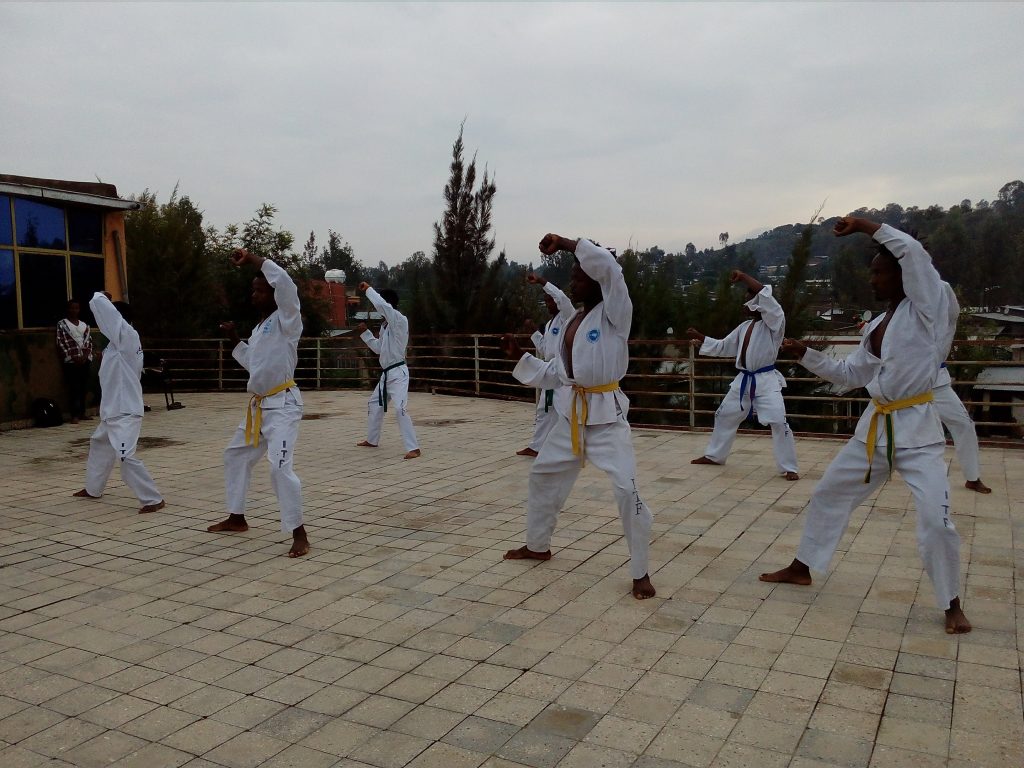
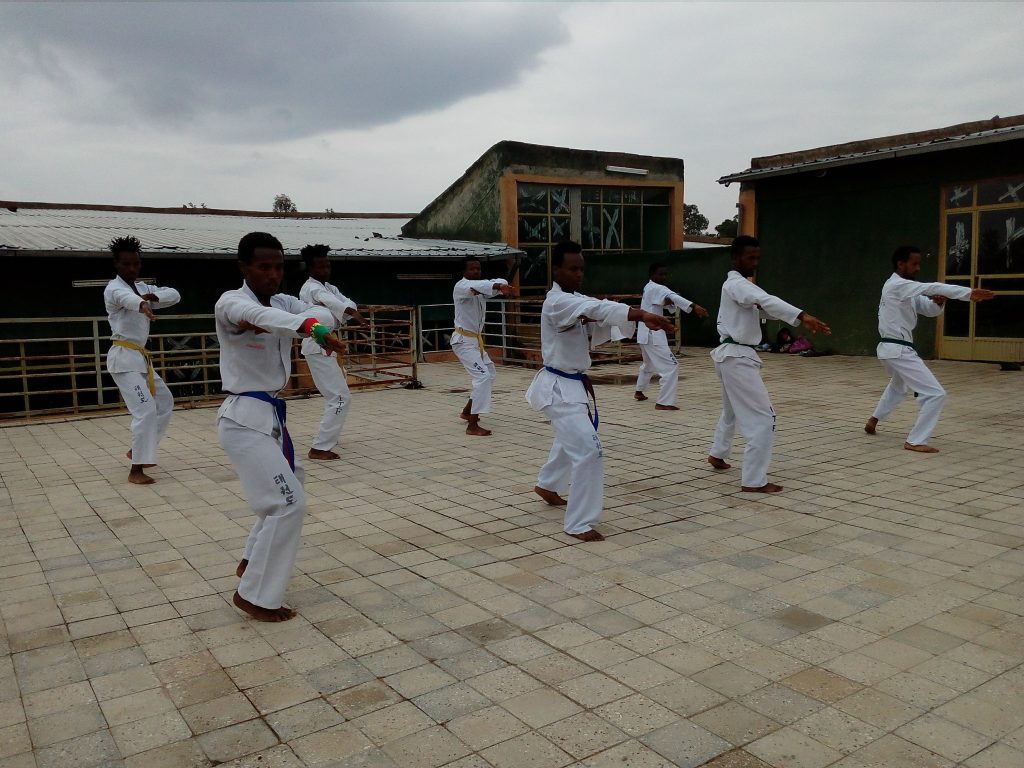
Sabum Ermiyas began by highlighting the importance of Taekwon-Do in the holistic development of children. “There is no doubt that the art of Taekwon-Do has a significant contribution to the overall development of children,” he asserted. He explained that through the practice of Taekwon-Do, children not only acquire physical skills but also develop social skills, problem-solving abilities, and self-confidence.
When asked about the specific benefits for children who practice Taekwon-Do, Sabum Ermiyas emphasized the importance of social interaction in the dojang, where children have the opportunity to meet other youths and develop communication skills. Additionally, he highlighted how the practice of patterns and sparring in Taekwon-Do enhances children’s decision-making abilities and self-confidence, fostering a calmer and more reflective approach to situations.
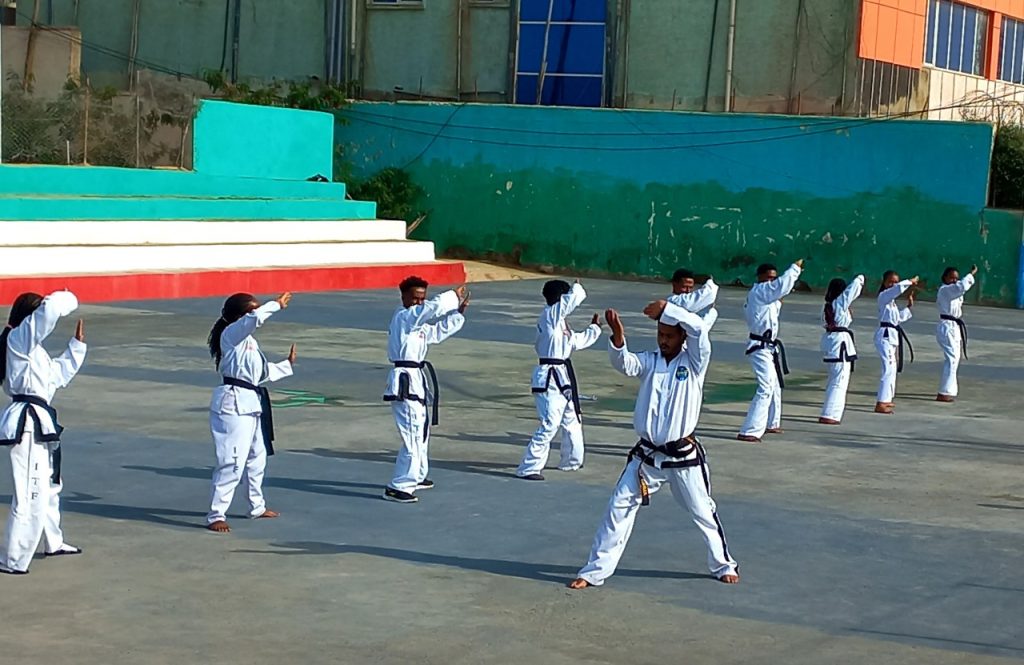
Discussing the effectiveness of Taekwon-Do techniques in the real world, Sabum Ermiyas emphasized the importance of constant practice and proper application of the skills learned. “Taekwon-Do is not just about competition, but it also has many ground techniques for self-defense,” he explained. He emphasized how regular practice in the dojang prepares practitioners to effectively and calmly face dangerous situations in real life.
Regarding the future of Taekwon-Do in Ethiopia and worldwide, Sabum Ermiyas expressed his optimism and commitment to the continued promotion of this martial art. “Taekwon-Do is the youngest and most popular form of martial arts in the world,” he said, “and we can continue exploring its techniques and applications in our daily lives.”